

A safe and comfortable home is essential for anyone receiving care. Whether you are supporting a senior loved one, a person recovering from surgery, or someone living with a chronic condition, small adjustments can make a big difference in their quality of life. Creating a home care environment that feels both secure and nurturing helps promote independence and peace of mind for everyone involved.

1. Start with a Home Safety Assessment
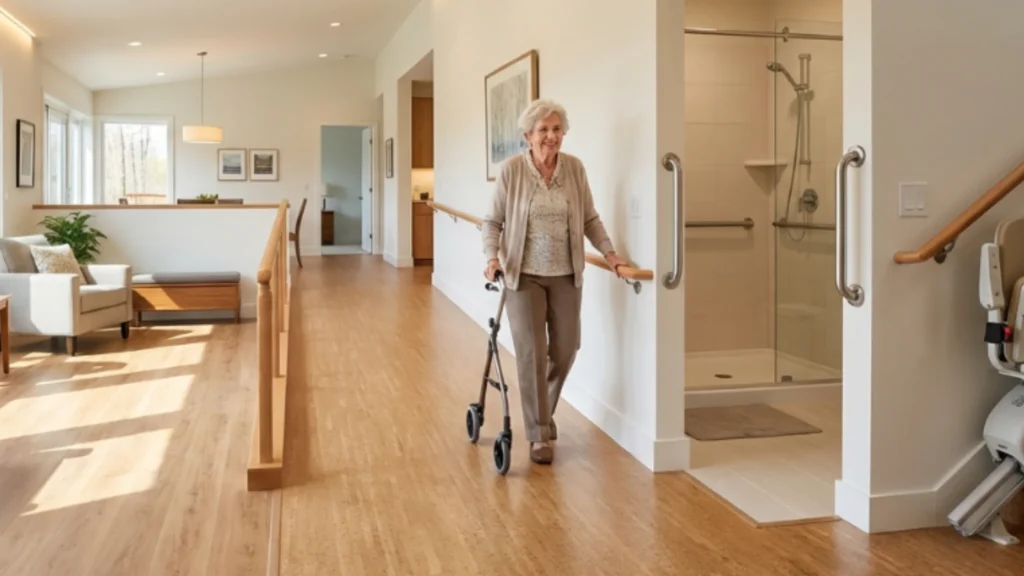
Before making changes, take time to assess the space. Walk through each room and note any potential risks, such as loose rugs, cluttered walkways, or poor lighting. Simple upgrades like grab bars in the bathroom, non-slip mats, and sturdy handrails on stairs can prevent accidents and improve confidence when moving around the home.

2. Prioritize Accessibility and Mobility
A well-arranged home should make it easy to move freely. Ensure pathways are clear and furniture is positioned to allow easy access with walkers or wheelchairs if needed. Rearrange essential items so they are within reach, reducing the need to bend or stretch. Consider adjustable beds, lift chairs, or mobility aids to make daily routines more manageable.

3. Improve Lighting and Visibility
Proper lighting creates both comfort and safety. Bright, even lighting in hallways, entryways, and bathrooms helps prevent falls and makes it easier to navigate at night. Use soft, warm light in living spaces to create a calm and welcoming atmosphere. Motion-sensor nightlights are a simple but powerful addition for nighttime safety.
4. Maintain a Clean and Calm Space
A tidy, organized environment supports emotional well-being. Regular cleaning and decluttering can reduce stress and the risk of trips or falls. Choose soft, neutral colors and familiar decorations to make the space feel inviting and familiar. Calming scents like lavender or chamomile can add to the sense of comfort.

5. Ensure Temperature Comfort
Temperature control is especially important for older adults and those with limited mobility. Keep the home comfortably warm in winter and cool in summer. Check that heating and cooling systems work properly and that bedding and clothing are suited to the season.
6. Create a Sense of Routine and Belonging
Beyond physical safety, emotional comfort plays a big role in home care. Maintain a daily routine that includes activities, meals, and rest times. Familiar schedules help clients feel secure and oriented. Encourage family photos, favorite music, or meaningful keepsakes to make the space truly personal.

7. Include Caregiver Support and Monitoring Tools
Technology can enhance safety and peace of mind. Consider fall detection devices, medication reminder systems, and video check-ins. Regular communication between caregivers and family ensures that needs are met and adjustments can be made quickly.
Final Thoughts
A home care environment should reflect safety, warmth, and respect for the individual’s needs. By paying attention to both physical surroundings and emotional well-being, families can create a space that supports independence, comfort, and dignity every day.
At Dignity Transition Care, we help families achieve this balance by offering compassionate, trusted in-home support tailored to your loved one’s needs. Contact us to learn how we can make your home a place of comfort and care.
Sources: